Tung Nguyen

Projects

What happens to a device once it leaves the cleanroom and has to work in a system, and how to most efficiently use the energy it generates.

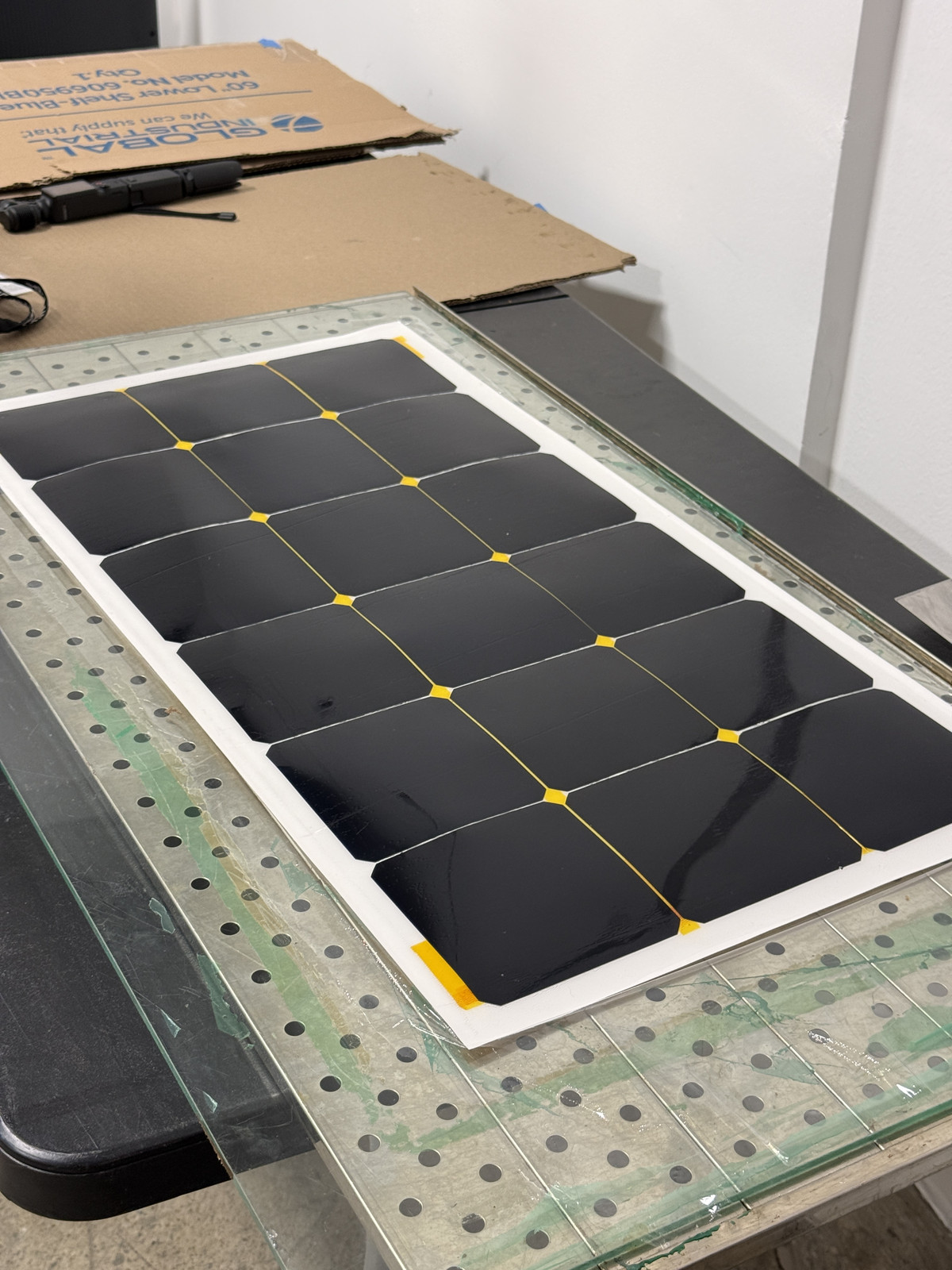
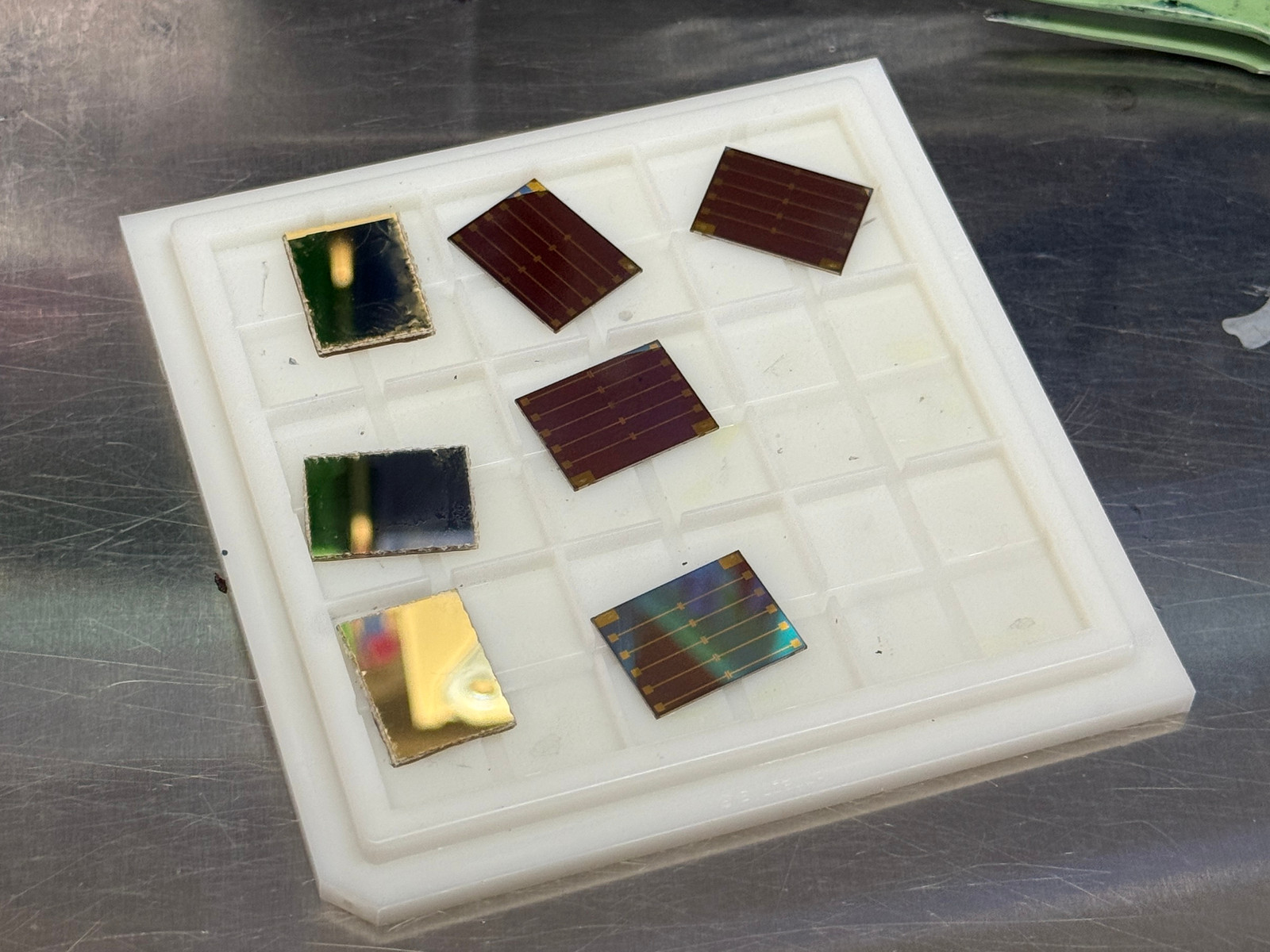
An encapsulated solar module on the bench
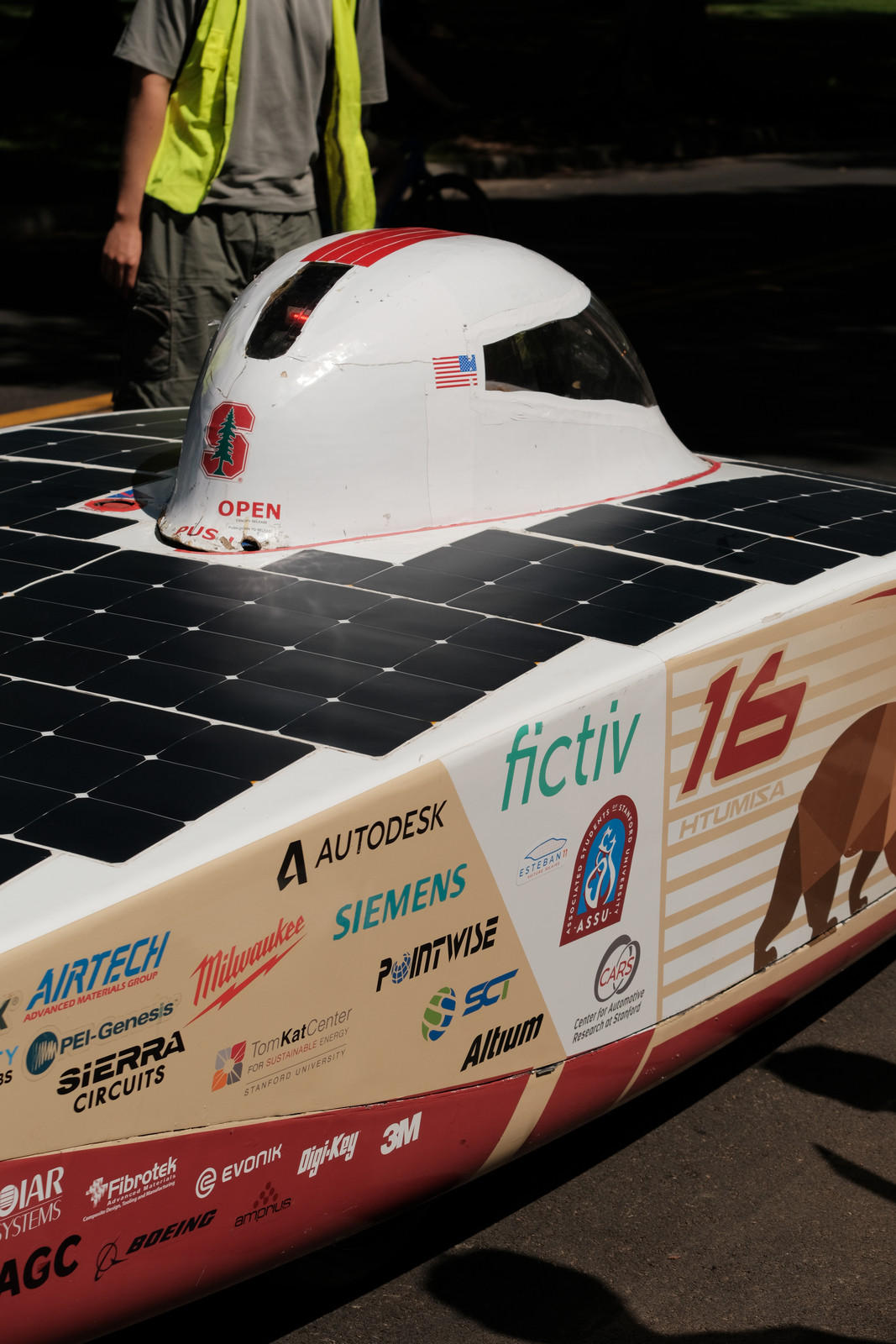
An encapsulated module from the pilot. We are building a new car — the first in over half a decade.
Stanford Solar Car Project Array & Battery Oct 2025 – present

Getting every watt off the array

The team was budgeting array power from cell datasheets, which ignores everything that happens between a bare cell and an encapsulated module on a moving vehicle.

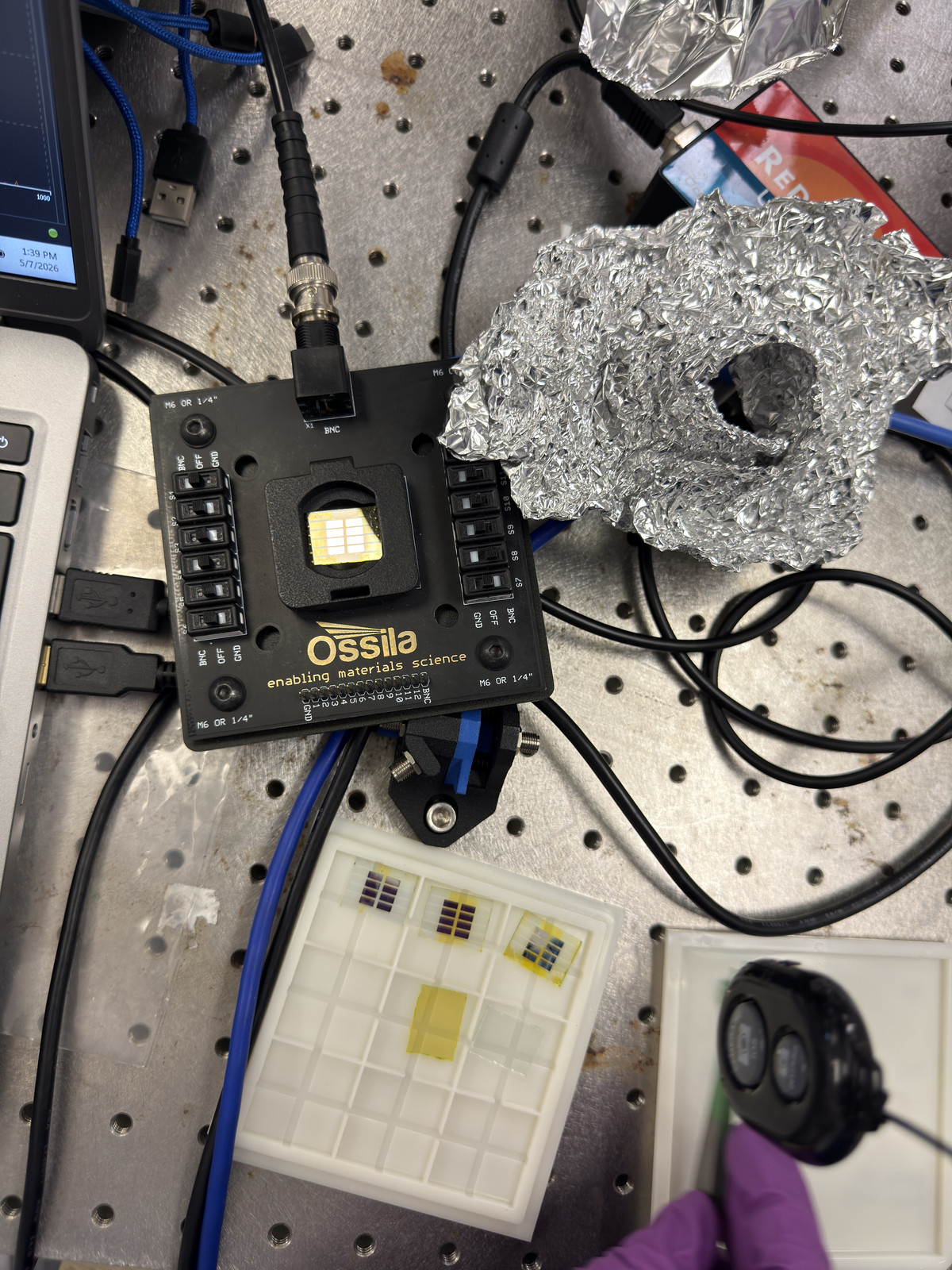
  • Characterise Maxeon Gen III cells by outdoor four-wire IV sweep on a Keithley 2461, and analyse 3×6 modules for mismatch loss to inform cell binning and array layout.
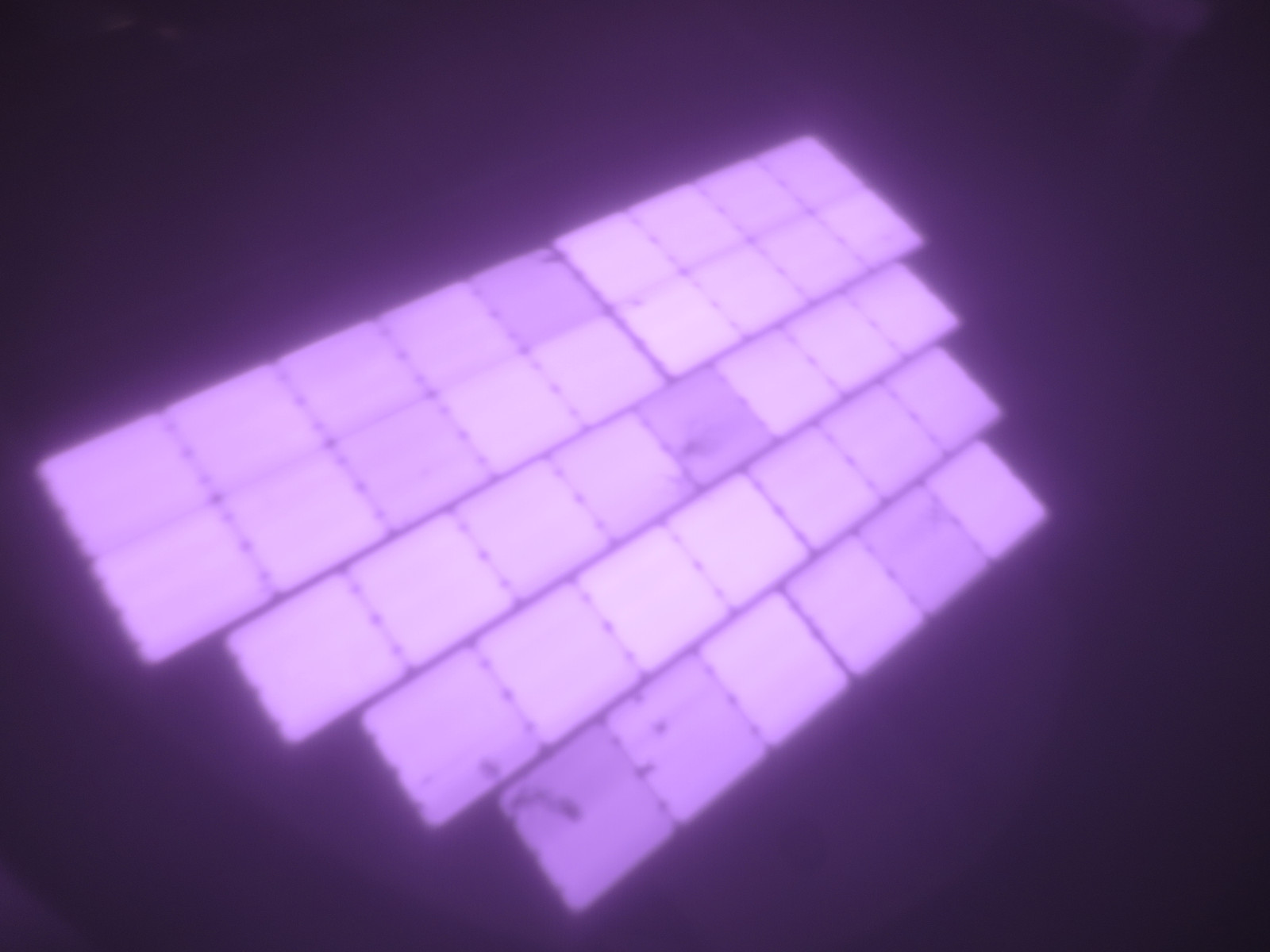
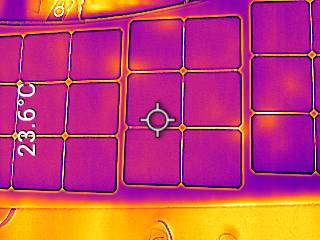
  • Lead infrared and electroluminescence inspection to find hotspots, cracks and interconnect faults; piloted a new encapsulation method for durability and water-ingress resistance.
  • Build Python tools modelling bypass-diode configurations and temperature-driven efficiency loss, to inform thermal and cooling design for the next-generation array.
Electroluminescence image of a module
Electroluminescence.
Infrared thermography of a module
Infrared thermography.
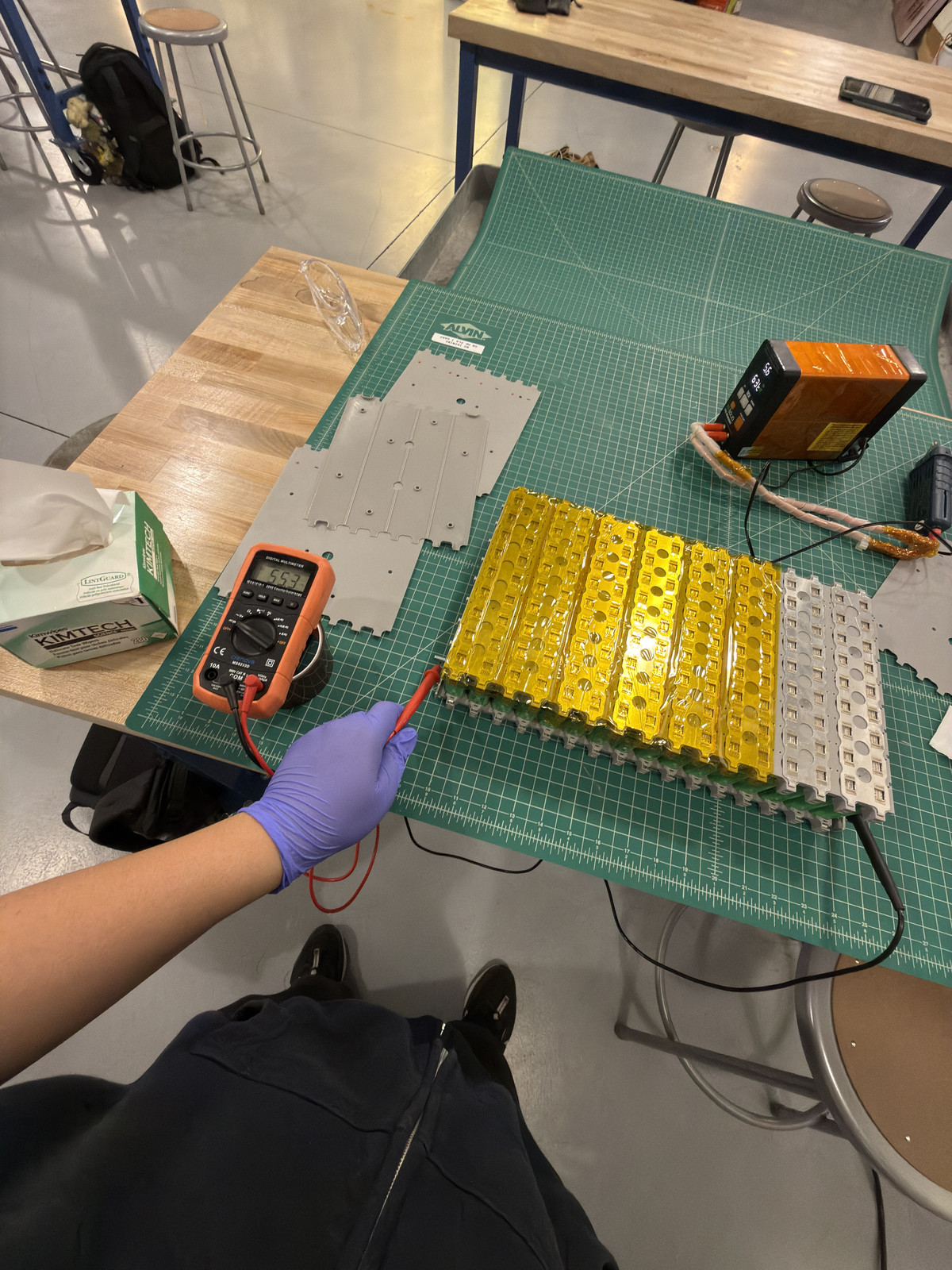
Battery pack under test
Pack assembly and test.
Sustainable Stanford Residential & Dining Enterprises Sep 2025 – present

Saving energy in Stanford's residential buildings

  • Audited 320 common spaces across 45 buildings and roughly 2,900 lighting elements to map occupancy-sensor coverage. Only 36.9% of spaces had them.
  • Built an ROI model from the audit data projecting 66,421 kWh and $11,941 in annual savings against $65,650 upfront, a payback of about 5.5 years.
  • Evaluated vendors and specified hardware for a window-sensor HVAC pilot.
Congreve Lab Fusion 360, Onshape

Cleanroom fixtures

Sample geometry was quietly a variable in our deposition results. A masking split during sputtering gave 8/8 working devices with a modified mask against 4/8 without, which was enough to justify designing proper fixtures. Substrate holders and evaporation masks are in use; the latest sputter mask is designed but not yet fabricated Not yet made.

MATSCI 164 Electronic and Photonic Materials and Devices Laboratory

Organic transistors and OLEDs

  • Fabricated bottom-gate PDBT-co-TT organic thin-film transistors with a PFBT self-assembled monolayer on the gold contacts, confirmed by goniometry (36.7° to 64.3° contact angle). Extracted threshold voltage and saturation mobility from transfer curves and measured 13% higher mobility, consistent with reduced interfacial trap density.
  • Built F8BT OLEDs with PEDOT:PSS and PFN-Br injection layers and a 100 nm aluminium cathode evaporated at SNF. Used matched electroluminescence and photoluminescence peaks to attribute an anomalously high turn-on voltage to spin-coating defects rather than interlayer energetics.
Organic thin-film transistor on a test board
OTFT measurement.
Course devices on a tray
Devices from the course lab.

Previously

Wetland Ecosystems Group Stanford Jun 2025 – Jun 2026

Remote sensing of wetland change

Geospatial analysis in Google Earth Engine, ArcGIS and R, with fieldwork in Louisiana and sample processing back on campus. Wrote the sample-prep SOP for cryomilling and digestion, and was second author on an AGU abstract. My first research position, and where I learned to handle data before I learned to make devices.

Stanford Energy Club with Verne

Composite pressure vessels for cryo-compressed hydrogen

Project work on COPV design considerations for a hydrogen storage startup.